
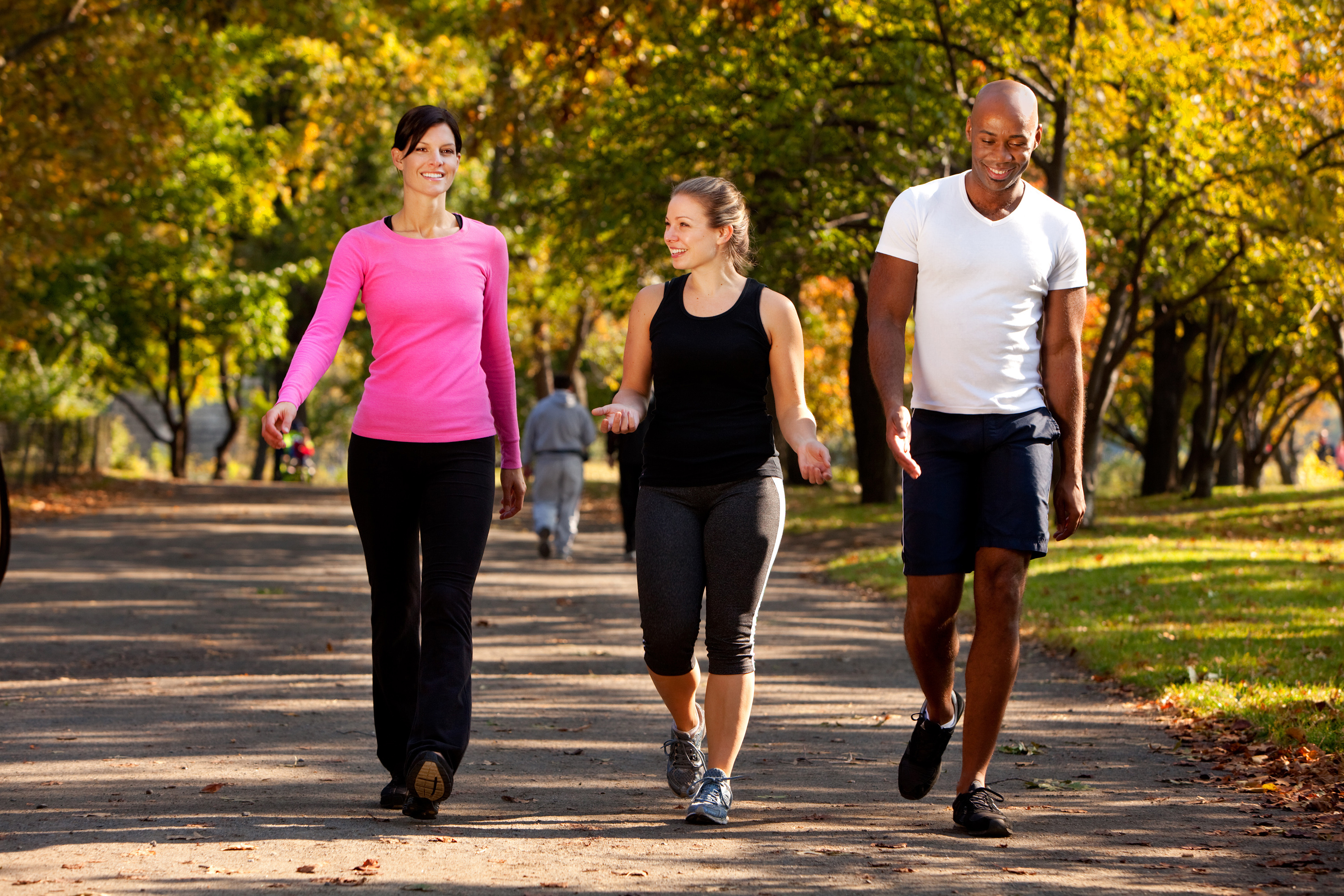
Walking is the most popular form of exercise in the world and provides benefits across every aspect of health, even in some ways you may find surprising. Even though just about anyone can get started on a life-changing walking regime at any time, there are some things you should know before you get started.
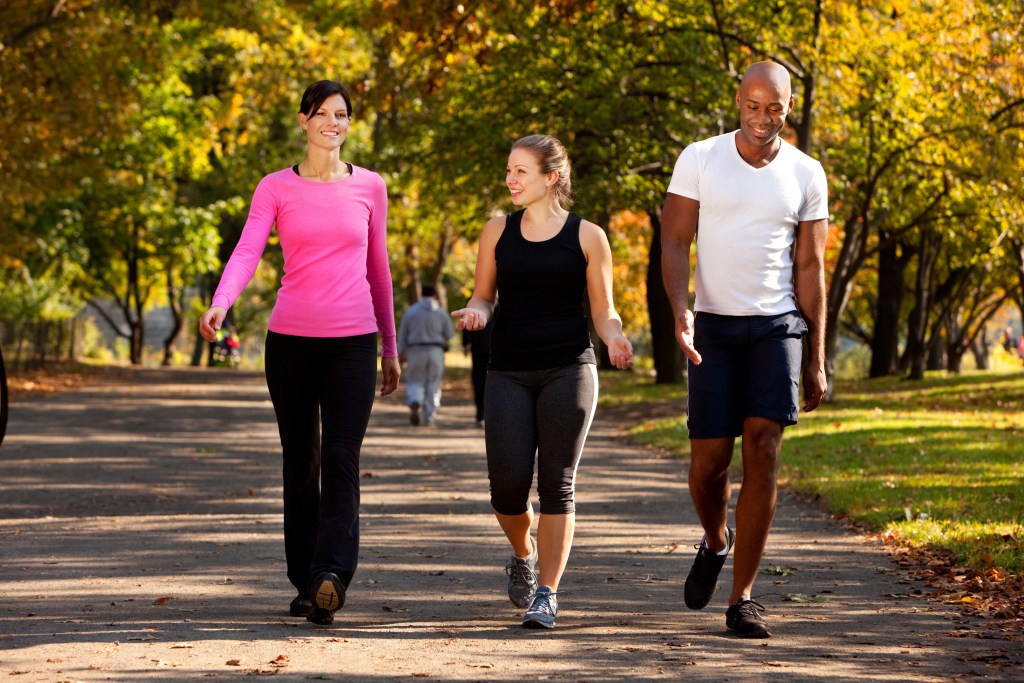
If you are here, you probably already know that walking is one of the easiest and most effective ways to improve your health. Hippocrates said “Walking is the best medicine,” and with good reason. What he observed thousands of years ago is even more true today–regular walking has the power to improve, and in some cases radically change, nearly every aspect of your life.
In this guide, we’ll cover all the basics of why walking is such a great form of exercise, how it will help you improve your life, what you need to know about walking technique and form (spoiler: it’s easy!), and even give you walking programs that will help you meet your health goals.
A Story about the Power of Walking
Before we get into the details, let’s first take a quick journey with a friend we’ll call Nancy. Nancy is like most of us. She works full-time in an environment that bombards her with deadlines and pressure. She has children at home and aging parents who live nearby. She is stressed about her career, constantly caring for her family, and she feels guilty anytime she spends time on herself. The result is predictable—she’s irritable, she doesn’t sleep, she’s sluggish, and she’s gained a lot of weight over the last few years.
One particularly bad day at work she went outside for a walk during her lunch break to blow off steam. As any regular walker can tell you, it worked! She immediately felt calmer and her mind felt clearer. She resolved to take short walks during her lunch breaks everyday from then on.
While she was outside on her walks, Nancy was able to clear her mind of work, stress from her relationships, and all the other worries of her hectic life. She started to immediately notice that her mood was better and her mind was clearer when she came back from her walks. That made her more productive at work, which also made her feel less stressed.
After just a week of daily walking, Nancy noticed increased energy levels and more stamina in her daily life. She wasn’t getting tired in the afternoons anymore. She had more energy at home for her kids, too. And she wasn’t irritable with them. What’s more, she was even sleeping better at night. After a few more weeks, she was noticing a little bit of weight loss. The benefits were compounding.
Coworkers noticed, and some of them started to join in on the daily walks. New friendships started budding, which also helped Nancy’s mood and made her feel more connected and needed. People started taking walking meetings at work, which were more productive and shorter than traditional meetings. The new connections people were making at work started to make the whole office more enjoyable and productive.
You see, Nancy’s small change of starting daily walks set off a powerful ripple effect that started with her mental health, then flowed to her physical health, then blossomed out to the people around her.

The Benefits of Walking
As the story above demonstrates, many people add walking to their daily routine in order to help solve one specific health problem. But they quickly find that the benefits of walking are not limited to one thing. The improvements cascade and compound across all areas of health. Below are just some of the specific benefits of regular walking that doctors and researchers have studied.
Walking helps with weight management
Walking helps with weight loss and weight management by burning calories and increasing your metabolism. The faster, farther, and more frequently you walk, the greater the calorie expenditure. Walking, when combined with a healthy and balanced diet, is one of the essential tools in the weight loss toolkit.
Walking improves heart health
Walking for just 20 minutes daily can reduce your risk of heart disease by 30%. It also lowers blood pressure and cholesterol.
Walking is great for managing diabetes
Regular physical activity like walking helps prevent type 2 diabetes. For individuals who already have type 2 diabetes, walking is one of the best exercises to manage blood sugar levels throughout the day.
Walking helps prevent osteoporosis
Walking is not just good for your heart and mind, it’s good for your bones, too. As a weight-bearing activity, walking strengthens bones and helps prevent or slow down osteoporosis.
Walking can help prevent some cancers
Walking contributes to maintaining a healthy weight, which is linked to a lower risk of certain cancers. Research suggests a link between regular walking and a lower risk of breast cancer specifically.
Walking improves physical mobility
Regular walking strengthens leg muscles, reinforces balance, and improves coordination, reducing the risk of falls, especially in older adults.
Walking reduces stress
Walking is one of the great natural stress relievers. provides “me time” to relax, clear your head, and de-stress. Studies show that it immediately lowers levels of cortisol, the stress hormone. Walking outside in nature in particular is a powerful way to immediately improve your mental wellbeing.
Walking improves your mood
Walking is an instant mood booster, even for individuals experiencing depression. Research indicates it can be as effective as antidepressants in some cases.
Walking helps you sleep better
Studies have shown that exercise helps sleep. A 45-minute morning walk may improve sleep quality, particularly in postmenopausal women.
Walking makes you smarter
Ok, this one might be *slightly* overstated, but it is entirely true that studies show that walking improves cognitive function, including memory and brain connectivity, especially in older adults. So while a daily walk won’t make you into an Einstein or a Newton, it might help you remember where you keep misplacing your car keys and glasses.
Walking gives you energy
We just said that walking burns energy, so how can it give you energy, too? It might be a little counterintuitive, but exercise will actually boost your energy levels as long as you are not overtraining. This is due to increased oxygen and nutrient delivery to tissues, enhanced mitochondrial function, and improved sleep quality.

Why Is Walking Such Good Exercise
Now that we’ve covered some of the many benefits of walking, it’s worth reflecting for a moment on why walking is such a powerful universal exercise. The simple fact is the human body was built to walk, and to walk a lot. Walking is about as close to a universally accessible exercise as there is.
- Walking is low-impact and easy on joints, especially for older adults
- Walking has a low risk of injury, which is one of the leading causes for people to drop off fitness routines.
- Walking is perfect for all fitness levels, almost anyone can get started at a level with which they’re comfortable.
- Walking can be done almost anywhere doesn’t require coaching, technique or expensive equipment.
- Walking can easily be adapted for progressive difficulty by upping distance, speed or terrain.
- Walking is easy to fit into almost any schedule and doesn’t need a huge time commitment to get started, even just 10 minutes will have some benefits.
Getting Started with Walking
Starting a walking program is simple, but setting yourself up for success involves a few important steps. Here’s how to get started:
Setting Realistic Goals
Before diving into a walking routine, it’s essential to set clear and achievable goals. Be specific about what you want to accomplish. For example, if your goal is to improve heart health, commit to walking 30 minutes a day, five days a week. If weight loss is your focus, you might aim for 45 minutes of brisk walking daily. Make your goals measurable and track your progress to stay motivated.
Starting Slow and Building Up
If you’re not accustomed to regular exercise, start with shorter walks—perhaps just 10 minutes a day—and gradually increase the time and intensity as your fitness improves. It’s okay to begin slowly; consistency is more important than speed. Each week, add five more minutes to your walks until you reach the recommended 30-45 minutes per day. Remember, it’s the long-term habit that brings results, not how fast you start.
How Much Walking is Enough?
For general health benefits, the World Health Organization and American Heart Association recommend at least 150 minutes of moderate aerobic activity, such as brisk walking, each week. This can be broken down into 30-minute sessions, five days a week. If you’re aiming for weight loss or more significant fitness improvements, you may need to walk longer or increase the intensity by walking faster or incorporating hills.
Choosing the Right Walking Shoes
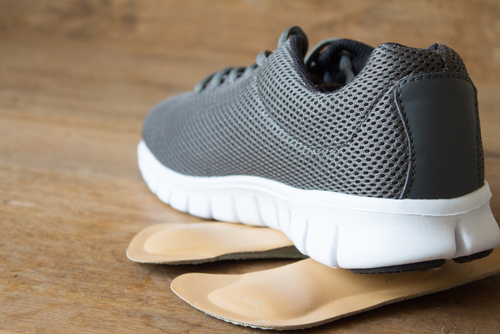
Selecting the right walking shoes is crucial to avoid discomfort and injury. The proper shoes can enhance your walking experience and help you maintain long-term consistency.
Foot Types and Shoe Features
Feet come in different shapes, and understanding your foot type can help you choose the right shoes. People with flat feet tend to need shoes with good arch support and stability. Those with high arches may benefit from extra cushioning to absorb shock. If you’re unsure about your foot type, many athletic stores offer foot assessments to guide your choice.
Shopping for Shoes
When shopping for walking shoes, aim to do so later in the day or after exercising when your feet are slightly swollen. This ensures a better fit. Always try shoes on with the same socks you plan to walk in and make sure there’s enough room to wiggle your toes. Walk around the store to test comfort before making a purchase.
Common Foot Problems and Solutions
Blisters, calluses, and sore spots are common issues when walking long distances or in poorly fitting shoes. To prevent blisters, choose shoes with soft, breathable materials and consider double-layer socks to reduce friction. For calluses, wearing cushioned insoles may help relieve pressure points. If pain persists, consider consulting a podiatrist for advice on orthotic inserts.

Proper Walking Technique for Maximum Benefit
Using the correct walking technique can help prevent injuries and ensure you get the most out of your walks. Proper form also helps you walk longer and faster with less effort.
Posture and Stride
Good posture is key to effective walking. Keep your head up, shoulders back, and eyes looking forward, not down at your feet. Your back should be straight, and your arms should swing naturally at your sides. Aim for a stride that feels natural—not too long or too short. Over-striding can put unnecessary stress on your joints, while under-striding can reduce the effectiveness of your workout.
Arm Movement and Breathing
Your arms should move in rhythm with your legs, swinging naturally with a slight bend at the elbows. This helps propel you forward and keeps your body balanced. As for breathing, try to maintain a steady, rhythmic pattern. Breathing deeply from your diaphragm, rather than shallow chest breathing, ensures your body gets the oxygen it needs for endurance.
Common Walking Mistakes to Avoid
Avoid slouching, as it can strain your back and reduce lung capacity. Overly tense shoulders and exaggerated movements can also lead to fatigue and injury. Make sure not to walk with your toes pointed outward, as this can cause knee strain over time. Instead, aim to keep your feet aligned straight ahead, rolling from heel to toe with each step.

Safety Tips for Walking
While walking is generally a safe activity, it’s important to take precautions to avoid injuries or accidents. Following safety guidelines will ensure your walks are enjoyable and hazard-free.
Walking in Different Environments
Whether you’re walking in your neighborhood, on trails, or in urban areas, be mindful of your surroundings. On busy streets, walk on sidewalks or paths whenever possible. If you’re walking on roads without sidewalks, walk facing traffic to increase visibility. In areas with uneven terrain or trails, pay attention to the ground to avoid tripping on rocks or tree roots.
Managing Weather Conditions
Weather can affect your walking routine, but with proper preparation, you can stay active year-round. In hot weather, walk in the early morning or late evening to avoid the midday heat. Wear light, breathable clothing and stay hydrated by drinking water before, during, and after your walk. In cold weather, dress in layers and wear gloves, a hat, and proper footwear with good traction to prevent slips on icy surfaces.
Hydration and Staying Fueled
Staying hydrated is critical, especially during long walks or when it’s warm outside. Carry a water bottle if you plan to walk for more than 30 minutes, and sip water at regular intervals. If you’re walking for extended periods, consider carrying a small snack, like a piece of fruit or an energy bar, to keep your energy levels up.

Walking for Weight Loss
Walking can be an effective way to lose weight, especially when combined with healthy eating habits. By increasing the intensity and duration of your walks, you can maximize calorie burn.
Increasing Speed and Intensity
The faster and more vigorously you walk, the more calories you burn. Aim to gradually increase your pace to a brisk walk where you can still talk, but you’re slightly out of breath. For added intensity, try power walking by pumping your arms or adding short bursts of fast walking or jogging.
Walking Uphill or on Stairs
Incorporating hills or stairs into your walking routine is an excellent way to boost the intensity. Walking uphill requires more effort from your leg muscles, increasing calorie burn. If you don’t have access to hills, stair climbing or using a treadmill with an incline are great alternatives.
Tracking Calories and Progress
Tracking your progress is essential for weight loss. Use a fitness tracker, app, or pedometer to log your steps, distance, and calories burned. This helps you stay motivated and see the results of your efforts over time. Aiming for at least 10,000 steps a day or gradually increasing your step count can help ensure you’re burning enough calories to contribute to weight loss.
Different Types of Walking Workouts
Incorporating variety into your walking routine can keep it exciting and help target different fitness goals. Different types of walking workouts can improve your endurance, strength, and mental focus.
Interval Walking
Interval walking involves alternating between periods of fast walking and slower, more relaxed walking. For example, walk briskly for two minutes, then slow down for one minute, repeating this cycle for the duration of your walk. This type of workout increases your heart rate and burns more calories in a shorter time, making it great for weight loss and cardiovascular health.
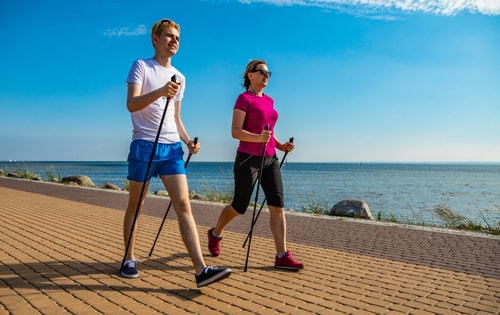
Nordic Walking
Nordic walking uses specially designed poles to engage your upper body as you walk. This full-body workout increases calorie burn by involving your arms, shoulders, and back, along with your legs. It’s an excellent option if you want to turn your regular walk into a more challenging and effective workout.
Resistance Band Walking
Using resistance bands during your walk adds strength training to your routine. You can hold the bands in your hands and perform arm exercises like bicep curls or lateral raises as you walk. This helps tone your upper body while engaging your lower body, making for a more comprehensive workout.
Mindful Walking
Mindful walking focuses on the mental aspect of the activity. Instead of focusing on speed or distance, pay attention to your surroundings, your breathing, and how your body feels with each step. This practice can reduce stress and improve mental clarity, making your walks not only physically but also mentally rewarding.

How to Stay Motivated on Your Walking Journey
Maintaining motivation is key to sticking with a long-term walking routine. Setting goals, using tools to track your progress, and finding ways to make walking enjoyable can keep you on track.
Setting Goals and Challenges
Clear, measurable goals can help keep you focused. Whether it’s walking a certain number of steps each day or completing a set number of miles each week, having targets will give you something to work toward. You can also set challenges, such as increasing your walking distance by 10% each week or walking a virtual race or charity event.
Using Apps and Tracking Devices
Fitness trackers, apps, and pedometers are great tools for tracking your steps, distance, and calories burned. Many apps allow you to set goals and give you reminders to stay active throughout the day. You can also join virtual walking groups or challenges through these platforms to compete with friends or other users, adding a social and competitive element to your walks.
Walking with Friends and Groups
Walking with a friend or joining a walking group can boost accountability and make walking more enjoyable. Social walks also provide an opportunity to catch up with others while staying active. If no group is available in your area, consider starting one. Sharing the experience with others can help motivate you to keep walking regularly.

Walking Through the Seasons: Adapting to Weather
Walking is a year-round activity, but weather conditions can impact your comfort and safety. Adapting your routine to seasonal changes will help you maintain consistency.
Walking in Hot Weather
During the warmer months, aim to walk early in the morning or late in the evening to avoid the hottest parts of the day. Wear light-colored, breathable clothing and a hat to protect yourself from the sun. Always carry water and take frequent sips to stay hydrated. If the heat becomes too intense, consider walking indoors at a gym or shopping mall.
Walking in Cold Weather
When temperatures drop, it’s essential to dress in layers. Wear moisture-wicking clothes close to your skin to keep sweat away, and layer with insulating materials to retain warmth. A hat, gloves, and a scarf are also important to protect exposed skin. Be mindful of icy conditions—wear shoes with good traction to prevent slips, or switch to indoor walking if the weather is too harsh.
Indoor Walking Options
When the weather is extreme—whether too hot, cold, or rainy—indoor walking can be a great alternative. Many shopping malls offer safe and climate-controlled environments for walking. Alternatively, a treadmill at home or the gym allows you to maintain your routine regardless of the weather outside.
Tracking Your Progress and Setting Goals
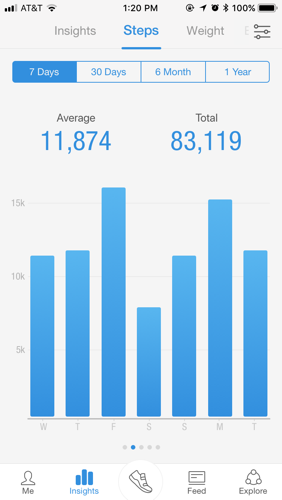
Tracking your progress is essential to maintaining motivation and ensuring you are reaching your fitness objectives. By monitoring your walks and setting achievable goals, you can stay on course and make adjustments as needed.
Using Pedometers and Apps
Pedometers and walking apps are effective tools for tracking steps, distance, and calories burned. These devices can give you real-time feedback on your performance, helping you set daily or weekly targets. Many apps also provide features like virtual challenges and community engagement, keeping your walks exciting and interactive.
Keeping a Walking Journal
For a more detailed approach, consider maintaining a walking journal. Record your daily distances, times, and how you felt during each walk. This can help you identify patterns, celebrate progress, and adjust your walking plan if needed. Tracking your mood and energy levels alongside physical metrics can also highlight the mental benefits of walking.
Joining Walking Events
Participating in walking events, whether in person or virtual, can be a great way to add structure to your routine. Events like charity walks or virtual distance challenges help you set larger, longer-term goals while also providing a sense of accomplishment. These events can give you something to train for, adding excitement and purpose to your walking routine.

How Walking Improves Mental Health
Walking offers significant mental health benefits beyond its physical advantages. Whether you’re looking to reduce stress, combat anxiety, or boost creativity, walking can be a powerful tool for improving your overall well-being.
Walking for Stress Relief
Walking helps reduce stress by promoting the release of endorphins, the body’s natural mood boosters. Even a short 15-20 minute walk can lower cortisol levels, the hormone responsible for stress. Walking in natural environments, such as parks or near bodies of water, can enhance this effect by providing a calming, peaceful setting.
Reducing Depression and Anxiety
Numerous studies have shown that regular walking can help reduce symptoms of depression and anxiety. Walking stimulates the production of serotonin and dopamine, neurotransmitters linked to feelings of happiness and calm. For individuals with mild to moderate depression, walking can be just as effective as medication, making it a natural, accessible option for improving mood.
Boosting Creativity and Focus
Walking has been proven to enhance creative thinking and problem-solving. Research from Stanford University found that walking, especially outdoors, can increase creative output by up to 60%. When you walk, blood flow to the brain increases, leading to improved focus and clarity of thought. This makes walking an excellent activity for brainstorming and working through complex problems.
Walking for Chronic Conditions
Walking is a highly effective exercise for managing and improving various chronic health conditions. Its low-impact nature makes it accessible to many individuals, and it offers targeted benefits for several specific conditions.
Walking for Heart Disease
For those with heart disease, regular walking can help improve cardiovascular health by lowering blood pressure, cholesterol levels, and resting heart rate. Even short, moderate-paced walks can reduce the risk of heart attacks and improve heart function over time. It’s important for individuals with heart disease to start slow and gradually increase their walking duration and intensity under medical supervision.
Walking with Diabetes
Walking helps manage blood sugar levels by improving the body’s use of insulin. For individuals with type 2 diabetes, a daily walking routine can lower blood glucose levels and reduce the need for insulin or other medications. A study showed that walking for just 15 minutes after each meal can improve blood sugar control better than walking for a continuous 45 minutes.
Walking with Arthritis and Joint Pain
Though it may seem counterintuitive, walking can reduce arthritis-related pain and stiffness. By moving joints regularly, walking helps lubricate them and strengthens the muscles around them, which offers support. It’s essential for individuals with arthritis to start with short walks and gradually increase distance to avoid overexerting their joints.

The Long-Term Impact of Walking on Longevity
Regular walking not only improves your current health but can also significantly extend your life. Numerous studies have shown that consistent physical activity, like walking, contributes to a longer, healthier life.
Walking to Increase Lifespan
Research indicates that walking just 30 minutes a day can add years to your life. A large-scale study found that people who walked at least 150 minutes per week lived an average of 3.4 years longer than those who were inactive. Even 15 minutes of daily walking can increase life expectancy by nearly two years.
Preventing Chronic Illness with Walking
Walking is known to reduce the risk of several chronic illnesses, including heart disease, diabetes, and certain cancers. By maintaining a healthy weight, improving cardiovascular function, and regulating blood sugar levels, walking helps ward off these conditions. For individuals already living with chronic conditions, walking can improve management and quality of life, reducing the need for medication in some cases.
Building Lifelong Walking Habits
Incorporating walking into your daily routine can foster habits that promote a long, healthy life. Whether it’s walking to run errands, taking the stairs, or setting time aside for dedicated walks, small changes can add up over time. Making walking a regular part of your life ensures that you continue to reap the physical and mental health benefits well into old age.

Conclusion
Walking is one of the simplest and most effective ways to improve your overall health and well-being. Its benefits extend across physical fitness, mental health, and the management of chronic conditions, making it an ideal activity for people of all ages and fitness levels. By setting realistic goals, choosing the right gear, and staying motivated, walking can become a lifelong habit that enhances your quality of life. Whether you’re walking for weight loss, heart health, or mental clarity, the key is consistency. With regular practice, walking can lead to a healthier, longer, and more fulfilling life. So, lace up your shoes, step outside, and take the first steps toward better health today.
Essential Walking Guide FAQ
How much walking should I do daily for general health?
Aim for at least 30 minutes a day, five days a week, or 150 minutes of moderate activity weekly.
Is walking enough to lose weight?
Yes, walking can aid weight loss, especially when combined with a healthy diet. Walking briskly or doing interval walking for 45-60 minutes daily can accelerate fat loss.
What is “brisk walking”?
Brisk walking is around 3 to 4 mph, or enough to increase your heart rate. A simple test is that when brisk walking, you should be able to talk but not sing.
Do I need to warm up before walking?
Yes, a 5-10 minute warm-up of slow walking prepares your muscles and joints for activity.
How many steps should I aim for each day?
The general goal is 10,000 steps a day, but even 7,000 to 8,000 steps can provide health benefits.
Can walking help reduce belly fat?
Walking, particularly at a brisk pace or uphill, helps burn fat, including belly fat, when done consistently.
What is the best time of day to walk?
Any time that works for your schedule! That said, early morning and late evening walks help avoid extreme temperatures.
Is walking better than running?
Walking has many advantages over running. Walking is lower impact, low-risk of injury, safer for your joints, and easy for almost anyone to get started with no equipment or training. Running does burn more calories in less time, but does have a high risk of injury in the long-term, especially if you are not well-trained. Both can be highly effective forms of exercise.
Should I walk inside or outside?
Again, any walking is good, so whatever works for you is what you should do. Both indoor and outdoor walking have their advantages, but outdoor walking offers additional benefits like fresh air, varied terrain, and exposure to nature, which can boost mood.
What shoes should I wear for walking?
Choose comfortable shoes with good arch support and cushioning. Avoid shoes that are too tight or don’t allow for natural foot movement.
Can walking prevent chronic diseases?
Yes, regular walking can help prevent heart disease, diabetes, stroke, and certain cancers.
How long does it take to see benefits from walking?
You can start to see improvements in mood and energy within a few days, with physical benefits like weight loss and better fitness noticeable in a few weeks.
How can I make walking more enjoyable?
Walk with friends, listen to music or podcasts, or explore new routes to keep your walks interesting.
Does walking improve mental health?
Yes, walking has been shown to reduce stress, anxiety, and depression, while improving mood and cognitive function.
Can walking strengthen my bones?
Yes, walking is a weight-bearing exercise that helps improve bone density and reduces the risk of osteoporosis.
How can I avoid injury while walking?
Use proper footwear, maintain good posture, start slow, and avoid walking on uneven surfaces to prevent injury.
Can walking help lower blood pressure?
Yes, regular walking can help lower both systolic and diastolic blood pressure levels over time.
Is walking on a treadmill as effective as walking outside?
Yes, but walking outside offers additional mental health benefits, like exposure to nature, and varied terrain for muscle engagement.
What should I eat before a walk?
A light snack like a banana or a handful of nuts 30-60 minutes before walking provides energy without making you sluggish.
Can I walk if I have arthritis?
Yes, walking is a low-impact exercise that can help alleviate joint pain and stiffness associated with arthritis.
How do I track my walking progress?
Use a pedometer, fitness tracker, or smartphone app to monitor your steps, distance, and calories burned.
How fast should I walk for heart health?
A moderate pace (3-4 mph) is ideal for heart health. You should feel slightly out of breath but still able to hold a conversation.
Can walking improve sleep quality?
Yes, walking, especially earlier in the day, can help improve sleep patterns and make it easier to fall asleep at night.
Is it better to walk longer or faster?
Both are beneficial, but walking faster increases cardiovascular benefits, while longer walks burn more calories over time.
What should I do if I feel pain while walking?
Stop and assess the pain. If it persists, rest and consult a doctor, especially if it’s in your joints or muscles.
How do I stay hydrated during walks?
Drink water before, during, and after your walk. Carry a water bottle if your walk lasts longer than 30 minutes.
Can walking improve posture?
Yes, walking helps strengthen your core and lower back muscles, which can improve your posture over time.
Should I walk if I’m recovering from an injury?
Consult your doctor, but walking can be a good low-impact activity for recovery if done carefully.
Does walking tone your legs?
Yes, walking tones and strengthens leg muscles, especially if you include hills or stairs in your route.
How do I stay motivated to walk regularly?
Set specific goals, track your progress, vary your routes, and consider joining a walking group for accountability.
Is it safe to walk in bad weather?
Walk indoors during extreme weather. In milder conditions, dress appropriately—layer in cold weather, wear breathable clothes in hot weather.
Can walking improve my balance?
Yes, regular walking improves muscle strength and coordination, which helps with balance.
Is it okay to walk after eating?
Yes, a light walk after meals can aid digestion and help regulate blood sugar levels.
Can I walk with hand or ankle weights?
It’s generally better to focus on speed and form than using weights, which can strain your joints. If you want more resistance, try brisk walking uphill.
How does walking compare to cycling?
Walking is weight-bearing, which is better for bone health, while cycling burns more calories and is gentler on joints.